
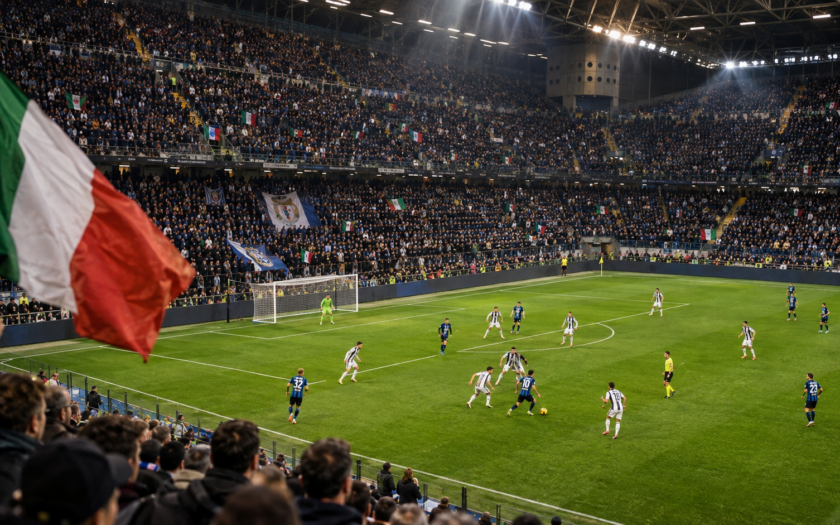
Italian football has always been about more than the final score. Its most memorable matches are often remembered for the atmosphere surrounding them, the tension of a tactical battle, the personality of individual players and the emotions shared by thousands of supporters. A late goal at a historic stadium, a goalkeeper producing an extraordinary performance or a carefully organised defence resisting wave after wave of attacks can become part of a club’s identity. Exploring Serie A match replays offers an opportunity to return to these experiences and appreciate the details that make Italian football distinctive.
Serie A occupies a special place in the history of European football. It has been shaped by legendary teams, influential coaches, technically gifted players and rivalries that have lasted for generations. Although the competition has changed considerably over the decades, its character remains closely connected to tactical intelligence, strong club identities and the emotional relationship between football and Italian cities.
Watching a complete match rather than a short collection of highlights reveals a different side of the competition. It allows viewers to follow the development of a contest, understand the decisions made by players and coaches, and recognise how individual moments emerge from a much larger sporting story.
The Tactical Heritage That Shaped Italian Football
Italian football has long been associated with defensive organisation and tactical discipline. The country’s coaching tradition placed considerable emphasis on positioning, anticipation and the ability to control dangerous spaces. Defensive football was not simply about keeping players behind the ball; it involved understanding how to influence the opponent’s decisions and limit the options available in attack.
The historical development of Italian tactics includes several influential approaches. The evolution of defensive systems, including the famous catenaccio tradition, helped establish Italy’s reputation for strategic sophistication. Yet Italian football was never exclusively defensive. Its history also contains technically gifted attacking sides, creative midfielders and forwards capable of changing a match through individual inspiration.
This combination makes older Serie A encounters particularly interesting to revisit. A viewer can observe how defensive lines were organised in previous eras, how teams protected narrow leads and how attacking players attempted to find solutions against compact formations. The contrast with modern football reveals how the game has evolved while retaining some of its traditional principles.
Contemporary Italian teams often combine tactical discipline with aggressive pressing, quick transitions and flexible attacking structures. Coaches adapt their systems according to the strengths of their squads and the challenges presented by different opponents. A complete match provides the context needed to understand these adjustments rather than reducing the performance to a few decisive incidents.
The Great Rivalries That Define Italian Football
Serie A’s identity is inseparable from its historic rivalries. These fixtures bring together sporting ambition, local pride and decades of shared memories. Their importance is felt not only by the players but also by supporters whose families may have followed the same club for generations.
The Derby della Madonnina between AC Milan and Inter is one of the most recognisable fixtures in European football. Both clubs share the San Siro stadium, yet their histories and supporter identities give the encounter a distinctive character. The city becomes divided by football loyalties, and every meeting adds another chapter to a rivalry shaped by legendary players and unforgettable performances.
Rome has its own intense football occasion. The Derby della Capitale between Roma and Lazio is deeply connected with the city’s identity. The atmosphere surrounding the fixture is often as memorable as the action itself, with colours, chants and banners creating a spectacle that reflects the passion of the supporters.
Another major rivalry is the Derby d’Italia between Juventus and Inter. Its history includes title battles, controversial moments and generations of players who have represented two of the country’s most successful institutions. Meetings between these clubs often carry significance beyond the immediate result because they are connected to wider questions of prestige and sporting dominance.
Watching these matches in full helps preserve their atmosphere. A highlight package may show a goal or a dramatic save, but the tension that develops before those moments is an essential part of the experience.
Italian Stadiums and the Culture of Matchday
Football in Italy is closely connected with the character of its cities. Each club has a relationship with its surroundings, and matchday traditions reflect local history, identity and community life. Stadiums are not simply venues where sporting events take place; they are places where generations of supporters gather around a shared passion.
The architecture of Italian football grounds contributes to this atmosphere. Historic stadiums often have distinctive structures, stands positioned close to the pitch and visual details that distinguish them from more recently constructed arenas. Their appearance can communicate something about the period in which they were built and the role football has played in urban life.
Supporter culture is equally important. Chants, flags, colours and familiar pre-match rituals help create an identity that remains recognisable even as players and coaches change. For many supporters, following a club is part of a wider family or community tradition.
A complete match allows viewers to experience more of this environment. The camera captures the changing mood of the crowd, the reaction to a missed opportunity and the surge of emotion following a goal. These moments provide context that statistics alone cannot communicate.
The relationship between football and local identity is one of Serie A’s enduring strengths. Clubs represent different cities and communities, each with its own history and traditions. This variety gives the competition a cultural depth that extends well beyond the pitch.
From the Golden Era to the Modern Game
Italian football enjoyed an especially prominent position in the international sporting landscape during the late twentieth century. Serie A attracted many of the world’s leading players and became a destination for exceptional coaches and ambitious clubs. The competition was known for its technical quality, tactical sophistication and the intensity of its major fixtures.
The 1990s are frequently remembered as a remarkable period. Supporters witnessed the arrival and development of outstanding footballers, while clubs assembled squads capable of competing at the highest European level. Matches often featured fascinating individual duels, contrasting tactical approaches and players whose careers became closely associated with the history of the league.
Revisiting games from this era provides more than nostalgia. It offers an opportunity to understand how the competition developed and how different generations interpreted the game. The pace, formations and physical demands may differ from those of today, but the importance of decision-making, technical ability and collective organisation remains familiar.
Modern Serie A has its own character. Clubs work with different squad structures, coaches introduce new tactical ideas and younger players bring fresh energy to the competition. The league continues to evolve while maintaining a connection with the traditions that shaped its reputation.
Comparing matches from different periods can be particularly rewarding. It allows supporters to recognise the qualities that have endured and appreciate the innovations that have changed the way Italian teams play.
The Art of Defensive Organisation
Defensive performances have always been an important part of Italian football’s appeal. A well-organised defence requires concentration, communication and an understanding of space. Individual defenders must make decisions quickly, but their effectiveness also depends on the movements of teammates around them.
A centre-back may need to step forward to challenge an opponent receiving the ball between the lines. A full-back must decide when to follow an attacking player and when to protect the space behind. Midfielders are expected to support the defensive structure without abandoning their responsibilities in possession.
These decisions can happen almost simultaneously, making defensive organisation difficult to appreciate during a fast-moving broadcast. Watching the match again provides a chance to focus on the positioning of the entire team rather than following only the ball.
It also changes the way individual performances are judged. A defender who makes few visible tackles may still have an excellent game by preventing dangerous passes and forcing attackers into less favourable positions. A goalkeeper’s influence can begin long before a save, through communication and the organisation of the defensive line.
This attention to detail is one of the reasons Serie A has remained an interesting competition for viewers who enjoy analysing the strategic side of football.
The Players Who Give Every Era Its Character
Every generation of Italian football has been shaped by distinctive personalities. Some players become famous through their goal-scoring records, while others are remembered for leadership, creativity or an exceptional understanding of the game.
The history of Serie A includes forwards who could decide matches with a single movement, midfielders who controlled the tempo and defenders whose consistency became a defining feature of their teams. Their contributions are often easier to appreciate when viewed across an entire match.
A striker’s influence, for example, is not limited to shots on goal. Intelligent movement can create space for teammates, force defenders to change their positions and disrupt the opposition’s defensive organisation. A midfielder may influence the contest by choosing when to accelerate an attack and when to retain possession.
Full-match viewing gives these performances room to breathe. It also makes it possible to follow emerging players as they adapt to the demands of professional football. A promising young talent may not produce a spectacular moment in every game, but consistent movement, concentration and decision-making can reveal the foundations of future success.
The individual stories behind the players are part of what makes Italian football so compelling. Each season introduces new personalities while continuing the histories of established clubs.
Why Complete Matches Offer More Than Highlights
Short highlights are useful for catching up with important incidents, especially when supporters cannot watch every fixture live. They provide a quick overview of goals, saves, penalties and other memorable moments. However, their purpose is to select the most significant events rather than preserve the complete development of a match.
A full recording offers a different perspective. It shows how teams begin the contest, how they respond to setbacks and how their strategies change as the minutes pass. A goal can be understood in the context of the pressure that preceded it, while a late defensive intervention becomes more meaningful when viewed alongside the team’s efforts throughout the match.
Extended highlights occupy a middle ground. They include more passages of play than short summaries but still leave out portions of the original event. A complete match retains the sequence of actions, allowing viewers to form their own interpretation of the performance.
This distinction matters for different kinds of supporters. Some want to relive an important victory or experience a fixture they missed. Others are interested in tactical analysis, player development or the history of a particular club. The complete match supports all these interests because it preserves both the dramatic moments and the quieter details.
Rediscovering the Stories Behind the Results
A Serie A season is remembered through more than its final standings. It consists of dramatic derbies, unexpected victories, difficult away performances and individual displays that become important parts of a club’s history. Some encounters are celebrated immediately, while others gain significance as later events reveal their place in a wider story.
Returning to earlier matches can change the way supporters understand a season. A narrow defeat may reveal the beginning of a tactical problem. A young player’s performance may look different after a successful breakthrough. A derby victory may become even more meaningful when viewed as part of a longer rivalry.
Italian football rewards viewers who look beyond the final score. Its tactical traditions, historic stadiums, regional identities and passionate supporters create a competition with many layers. A complete match preserves those elements and allows them to be experienced together.
The most memorable moments may last only seconds, but their meaning comes from everything that happens around them. Revisiting Serie A matches makes it possible to rediscover that complete story: the preparation, the tension, the decisions and the emotions that turn a football fixture into a lasting memory.