
Italian football has always been about more than the final score. Its most memorable matches are often remembered for the atmosphere surrounding them, the tension of a tactical battle, the personality of individual players and …
Continue reading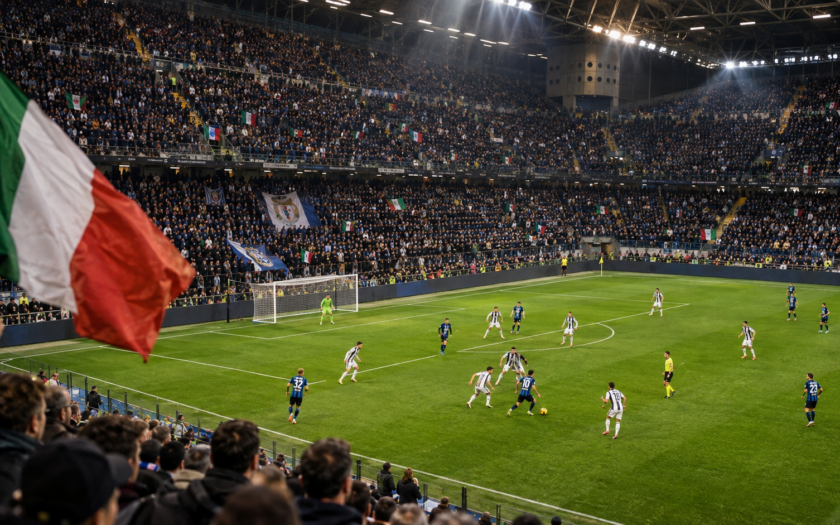
Independent essays on watching, listening and the culture of cinema.
Italian football has always been about more than the final score. Its most memorable matches are often remembered for the atmosphere surrounding them, the tension of a tactical battle, the personality of individual players and …
Continue reading
A personal film season can connect a handful of screenings through one idea. It might follow a recurring setting, a mood or a question about storytelling. The connection need not be an authoritative category; it can simply be a useful invitation to watch several films in conversation.
Continue reading
An old film-related photograph may arrive without much context. It could show a cinema interior, a screening queue or a display outside a venue. A careful caption preserves what is known while making uncertainty visible, allowing the image to remain useful without inventing a story.
Continue reading
A short film essay becomes easier to write when it begins with a question that can be explored in a few scenes. A narrow focus gives the piece direction and helps the reader understand what your examples are meant to show.
Continue reading
Describing music in a film does not require specialist vocabulary. You can begin with when it enters, what else is happening and how your attention changes. A precise account of a particular moment often communicates more than a broad claim that the score is powerful or moving.
Continue reading
A colour diary is a small companion to a viewing notebook. Instead of attempting to reproduce every shade on screen, it collects the colours that stayed with you and the moments you associate with them. The result is a record of attention rather than a definitive palette for the film.
Continue reading
Returning to a familiar film offers a different pleasure from encountering it for the first time. The story no longer needs all of your attention, so smaller choices can become more noticeable. One clear question gives a repeat viewing a gentle focus without prescribing what you should discover.
Continue reading
A satisfying film conversation does not require everyone to reach the same verdict. It needs enough structure for people to explain what they noticed and enough openness for an unexpected response. A few considered questions can do more than a long list of ratings.
Continue reading
A cinema programme can preserve the circumstances around a screening: how a film was presented, which titles appeared beside it and what an audience was invited to notice. It is a small object with a specific point of view, not a complete record of the event.
Continue reading
A useful scene description can focus on a change rather than retelling every action. Ask what is different at the end of the scene: a decision, an expectation or the relationship between two people. This provides a centre for your notes while leaving space for the details that matter.
Continue reading
A film’s voices can command attention while other sounds remain at the edge of awareness. A listening note invites you to notice that surrounding texture: footsteps, distant traffic, a room’s quiet hum or a sudden absence of activity. The aim is to describe your experience more carefully.
Continue reading
When watching a scene, it is easy to concentrate on a face and overlook the space around it. Doorways, empty chairs and the edges of a room can all become part of our reading of an image. A simple observation exercise begins by noticing what shares the frame with the character.
Continue reading