
A colour diary is a small companion to a viewing notebook. Instead of attempting to reproduce every shade on screen, it collects the colours that stayed with you and the moments you associate with them. The result is a record of attention rather than a definitive palette for the film.
Begin after the screening with three colour words and a short description of where each appeared. A coat, a wall or a patch of light can serve as a reference. If you revisit the scene, note any differences between the remembered colour and what you now see.
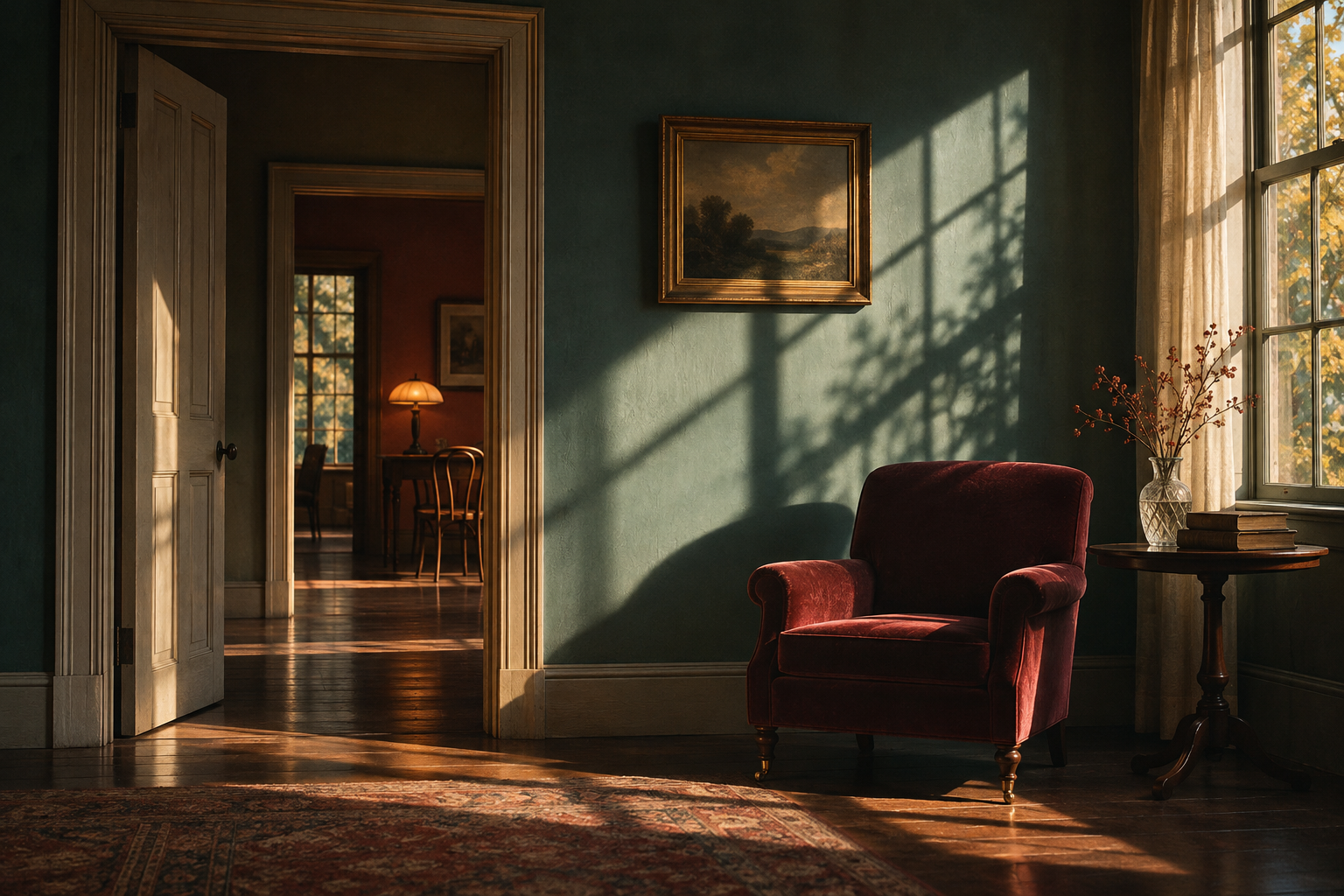
Look for relationships rather than fixed meanings. Two colours may sit quietly together in one scene and feel sharply opposed in another. Context, brightness and surrounding objects can change your impression. Avoid treating a colour as a universal code that always signals the same emotion.
Use the diary to formulate a question for future viewing. Perhaps a repeated accent catches your eye, or a subdued scene feels more vivid in memory. The exercise is most useful when it encourages closer looking and leaves room for several interpretations.